
January is often a quieter month in the barn. Workloads are lighter, days are still short, and routines settle into a steady winter rhythm. It’s also the time of year when many horse owners start noticing small changes. Things like horses that feel a little slower to warm up, a bit stiffer coming out of the stall, or less fluid in their movement on cold mornings.
These observations are common in winter, and they don’t automatically mean something is wrong. But January can be a useful moment to pause and take stock of what might be contributing to those changes, especially when it comes to nutrition.
Why Winter Stiffness Shows Up This Time of Year
Cold temperatures naturally affect how bodies move, and horses are no exception. Reduced daylight and weather conditions often mean:
- Less overall movement
- Shorter or less frequent rides
- Longer periods of standing still
- Colder muscles and joints, particularly in the morning
Age and workload can certainly play a role, but nutrition is another important piece of the puzzle that’s easy to overlook during winter.
The Seasonal Diet Shift Many Horses Experience
By January, most horses are well into a fully hay-based diet. Fresh pasture, one of the horse’s richest natural sources of omega-3 fatty acids, is usually unavailable.
While hay is essential, the drying and storage process significantly reduces its omega-3 content. At the same time, many winter diets rely more heavily on feeds or supplements that contain higher levels of omega-6 fatty acids. Over time, this shift can affect overall fatty acid balance.
This matters because omega-3 and omega-6 fats play different roles in the body, and balance between them is key for supporting comfort, mobility, and normal inflammatory responses.
Why Fat Quality Matters More Than Fat Quantity
When winter stiffness shows up, it’s common to think in terms of “adding more” to the diet: more calories, more fat, or more supplements. But the type of fat matters just as much as the amount.
Omega-3 fatty acids help support:
- Joint comfort and mobility
- Normal inflammatory balance
- Skin and coat health
- Overall resilience during seasonal stress
Flax is a well-researched, horse-appropriate source of omega-3s that fits naturally into forage-based feeding programs. Rather than simply increasing total fat intake, flax-based omega-3s help restore balance in diets that may have shifted during the winter months.
January as a Gentle Nutrition Reset
A January nutrition check-in doesn’t require a complete overhaul of your horse’s feeding program. Instead, it can be as simple as asking a few thoughtful questions:
- Has my horse lost access to fresh pasture?
- Where are their primary fat sources coming from right now?
- Does their winter diet support balance, not just calories?
Small, intentional adjustments made mid-winter can support your horse’s comfort through the remainder of the cold season and help set the stage for a smoother transition into spring.
Supporting Comfort Through the Rest of Winter
Omega-3s don’t act overnight, and they aren’t a quick fix. Their value lies in consistent, long-term support for the systems that are most challenged during winter. That means joints, skin, and overall inflammatory balance. As January progresses, paying attention to subtle changes in movement, willingness, and overall comfort can help guide thoughtful feeding decisions. Often, it’s not about doing more, but about making sure the essentials are covered.
If your horse is already receiving a flax-based omega-3 supplement, mid-winter is a time when some horses may benefit from a modest increase. Horses on Omega Horseshine may do well with an additional scoop per day. For those feeding Omega Horseshine Complete, the Complete formula should not be increased, but adding a small amount of regular Omega Horseshine can provide additional omega-3 support if needed.
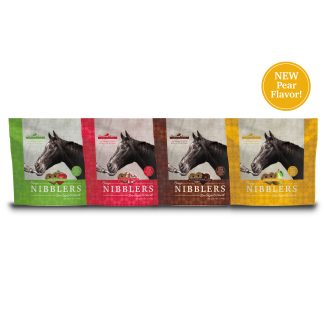
Additional omega-3s can also be provided through Omega Nibblers, with 15 Nibblers offering an amount comparable to one serving of Omega Horseshine.
For horses not currently receiving a vitamin E supplement, vitamin E is another nutrient commonly lower during winter months. Omega grandE can serve as a source of vitamin E while also contributing additional omega-3s.
Winter stiffness is common, but it’s also informative. January offers a natural opportunity to reassess what winter routines may be missing and make steady, supportive adjustments that benefit your horse well beyond the cold months. By focusing on nutritional balance and whole-horse support, you can help your horse stay comfortable and resilient through the heart of winter and into the seasons ahead.




 Dog Collar Fancy
 SaddleRight.com
 WiredWorks